
How do you set up a school football programme from scratch?
Quick Answer
Start a school football programme by deciding who it serves, where it fits in PE and extracurricular time, and who will lead each session. Check space, supervision and equipment before promising matches. Build a simple progression from ball familiarity and small-sided games to team decisions, then review participation and enjoyment as well as competition results.
In this article
- Why does this matter for primary PE teachers?
- What should be decided before the first session?
- How should PE and football guidance inform the plan?
- What equipment is needed to begin?
- How can everyone have a route into play?
- How might the first half term be organised?
- How can Davies Sport support this need?
- What are the most useful next steps?
- What is the final takeaway?
- Frequently Asked Questions
Why does this matter for primary PE teachers?
A football offer can quickly become a fixtures calendar for a small group. Defining the programme first gives the school a way to include beginners and connect lessons with wider participation.
What should be decided before the first session?
Define whether the programme is a curriculum unit, lunchtime activity, after-school club or a combination. Ask how pupils will join, how staff will supervise and which spaces are available through the year. A timetable that fits the school day is more useful than a fixture plan that depends on a pitch you cannot regularly use.
How should PE and football guidance inform the plan?
The DfE PE curriculum includes basic movements and participation in team games at key stages 1 and 2. It does not require a school to operate a football club. afPE offers professional guidance for PE planning and safe practice. For formal competitions, confirm the current age-group and competition rules with the organiser and The FA rather than assuming a school lesson has the same format.
What equipment is needed to begin?
Begin with suitable footballs, clearly marked playing areas, bibs and goals appropriate to the activity and site. Keep a ball pump and a plan for checking equipment. Avoid treating a full-size pitch or a large set of permanent goals as a prerequisite; smaller spaces can support ball control, passing and small-sided games when planned sensibly.
How can everyone have a route into play?
Offer several entry points: an open taster session, short skills stations and games with varied roles. Track who participates rather than selecting only an initial team. Invite feedback about timing and access, and revisit equipment or group sizes when pupils spend too much time waiting for turns.
How might the first half term be organised?
Use the opening weeks to establish demand, staff responsibilities and baseline skills. Start with short ball-control and passing activities in PE, then offer an open club session with small games. Ask pupils what makes attendance practical and where beginners would welcome more support. Only after the group has practised together should the school decide whether a fixture is useful and feasible. Keep a basic record of participation so the programme does not quietly narrow to the first pupils selected for a team. Review space, equipment and supervision at the end of the half term, then adjust the timetable or format before expanding.
How can Davies Sport support this need?
Davies Sport offers sports and PE equipment for schools and clubs. Use its current catalogue to compare the item types discussed here against your activity, available space and storage arrangements. Check the live specification and instructions for each product before selecting it; this article does not assume that one model will fit every school. A focused order should follow a lesson plan and a check of usable stock.
What are the most useful next steps?
Write down the activity and number of simultaneous users, check current official guidance where a formal format applies, and test the choice in the actual space. Record the decision so another member of staff can repeat the setup.
What is the final takeaway?
Start with the specific lesson or session, choose equipment and organisation to support active participation, then review what worked before repeating or expanding the provision.
Frequently Asked Questions
Author
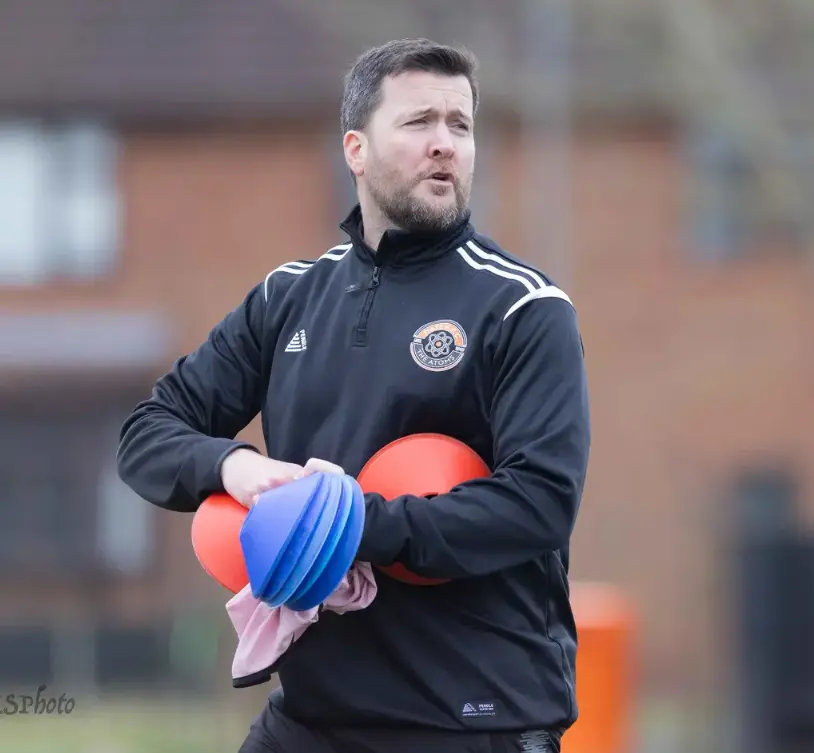
Gareth Pashley
Sports Content Writer & Marketing Specialist
Grassroots football coach and keen sports enthusiast, passionate about developing players, building confidence, and fostering a love for the game at every level.