
The Rules of Squash
Published on 15/01/2026 in Guide to Sports
Squash is a fast and exciting sport that has finally been put on the Olympic programme for 2026. However, it has been hard for schools to bring it into their sports due to facilities and knowledge. England Squash has been working to try and make Squash more adaptable for schools, and getting students excited about the sport from a young age.
To play squash in schools, students need to learn the basic rule of hitting the ball against a front wall above the “Tin” line, ensuring the ball doesn’t bounce twice before they return it. The “Tin” line is the lowest line on the squash court front wall. Getting students into the footwork and developing basic racket control should be the main focus before gradually building up more advanced shots.
Basic Rules:
Hit the ball against the front wall above the “tin” line
The ball must not bounce twice before being returned
Serve from within the service box, and the serve must hit above the middle line on the front wall, known as the “serve” line.
Players alternate hitting the ball
Court Layout:
There are three key lines on the front wall; lowest is the “tin” line, the middle is the “serve” line and the top is the “out” line
Set up the “T” area in the centre of the court, which is a prime position for controlling the rally.
Service boxes either side of the “T” area
Beginner Skills for Focus:
Grip: Students learning how to comfortably grip the racket.
Footwork: Practice quick movements around the around to reach the ball.
Basic Shots: Develop a consistent forehand and backhand to hit the ball against the front wall.
Serve: Practice a simple serve that lands in the correct service box.
There are many ways of adapting Squash for young and beginner players that schools can do. For example, you don’t need a Squash Court in your school to play. You can use any standard wall in your sports hall to get players used to the service and footwork. Alternatively, you can purchase Squash Rebound Walls that are easy set up in schools.
Equipment for Squash in Schools
Schools do not require full-size Squash courts to introduce the sport. Beginner-friendly equipment is designed specifically for younger players and includes:
Larger, lightweight squash rackets for easier handling
Low-bounce or foam squash balls to extend rallies
Floor markers or tape to indicate service boxes and the “T” area
Rebound walls or safe sports hall walls for controlled practice
This adaptability makes Squash a cost-effective option for schools looking to diversify their PE offer without major facility investment.
Frequently Asked Questions About Squash in Schools
Is Squash suitable for primary schools?
Yes. With adapted equipment and simplified rules, Squash is suitable for primary-aged pupils and supports fundamental movement skills.
Do schools need qualified Squash coaches?
Teachers can deliver Squash using structured resources and training provided by governing bodies, with external coaches adding value where available.
Is Squash safe for beginners?
Yes. When introduced progressively with appropriate equipment, Squash is safe and well suited to controlled school environments.
How does Squash support the PE curriculum?
Squash develops physical competence, teamwork, decision-making, and personal confidence, all of which align with curriculum objectives.
The Future of Squash in Education
As awareness grows and resources continue to improve, Squash is becoming increasingly accessible to schools of all sizes. Its adaptability, educational value, and Olympic status make it a strong addition to modern PE programmes. By introducing Squash at school level, educators can help students discover a dynamic, lifelong sport while supporting broader physical and personal development goals.
For more information on you need for bringing Squash for your school, team or leisure centre please don’t hesitate to contact us on enquiries@daviessport.co.uk or 0345 120 4515.
Author
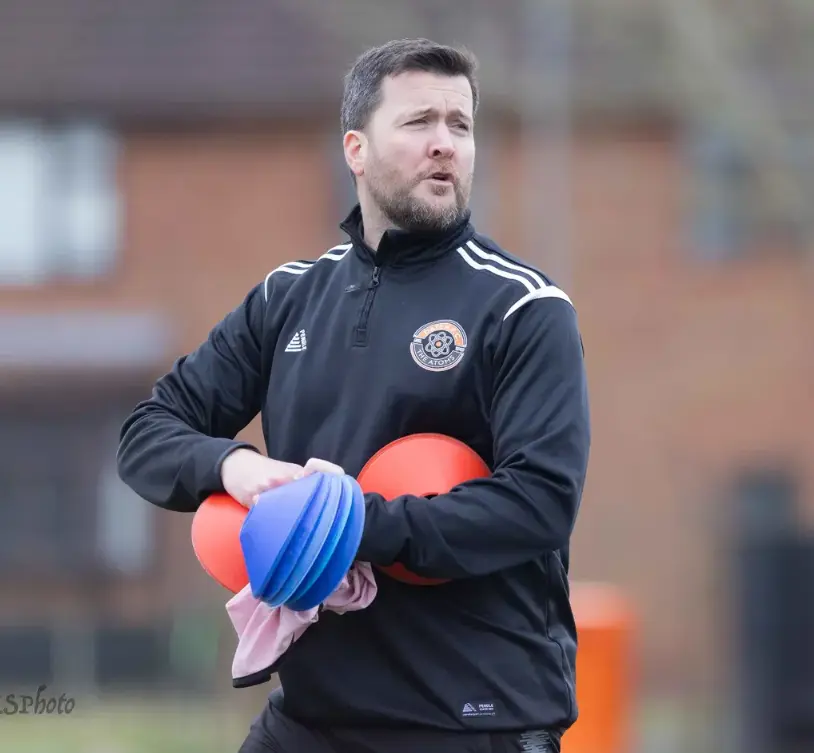
Gareth Pashley
Sports Content Writer & Marketing Specialist
Grassroots football coach and keen sports enthusiast, passionate about developing players, building confidence, and fostering a love for the game at every level.