
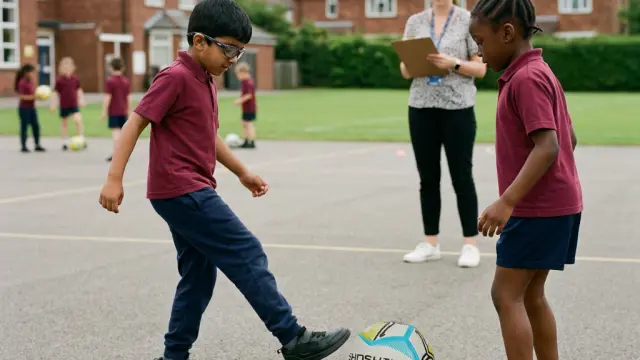
What Size Footballs Does a Primary School Need for KS1 and KS2 PE?
A practical primary-school set normally includes size 3 footballs for younger pupils and size 4 footballs for older primary pupils. The FA uses size 3 in the youngest mini-soccer age groups and size 4 as players progress. Schools should also check ball weight, material, pressure and surface suitability, then provide enough balls to minimise waiting during curriculum PE.
Jack Clarke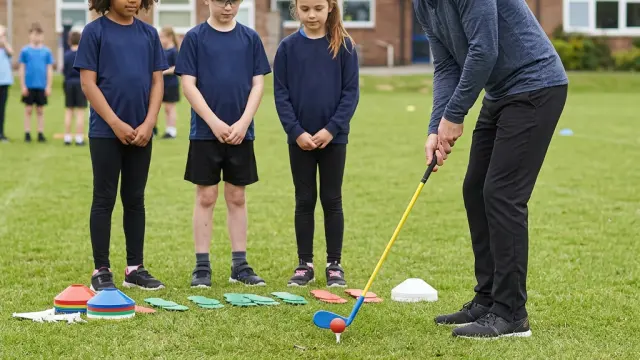
What Is Tri Golf and How Do You Run a Tri Golf Festival in Primary School or Community Sport?
Tri golf is an adapted introduction to golf using lighter, child-friendly clubs, targets and short activity stations. To run a festival, choose a safe indoor or outdoor space, create several putting, chipping and striking games, divide participants into small teams and rotate them at timed intervals. Brief leaders, adapt distances and record simple team scores without slowing participation.
Christine Wheatcroft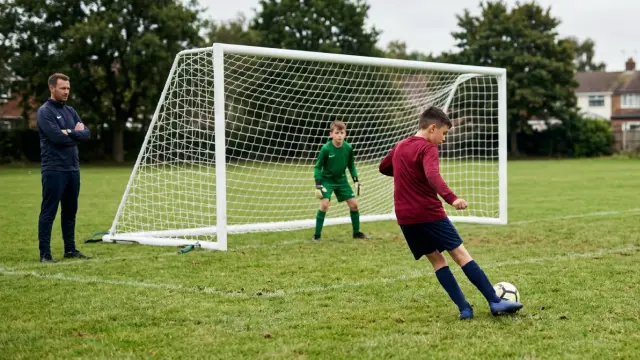
What Size Football Goals Does a Grassroots Junior Football Club Need?
Junior football clubs should match goal size to the age group and playing format. The FA recommends 12 ft by 6 ft goals for U7–U10 mini-soccer and 16 ft by 7 ft goals for U11–U12 9v9 football. Older youth teams normally move towards 21 ft by 7 ft or full-size goals, subject to competition rules.
Gareth Pashley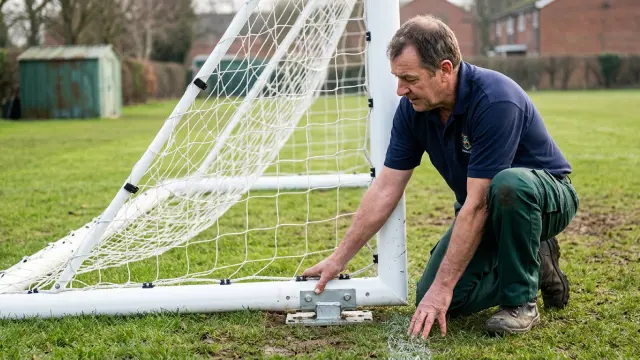
How Do You Anchor Football Goals Safely in a School or Club Setting?
Every football goal must be secured before use. The FA says permanent and portable goals of any size must be anchored securely to the ground or fitted with a weighted back bar, following the manufacturer’s instructions. Select anchors for the surface and goal design, inspect them before play and prevent anyone from climbing or swinging on the frame.
Gareth Pashley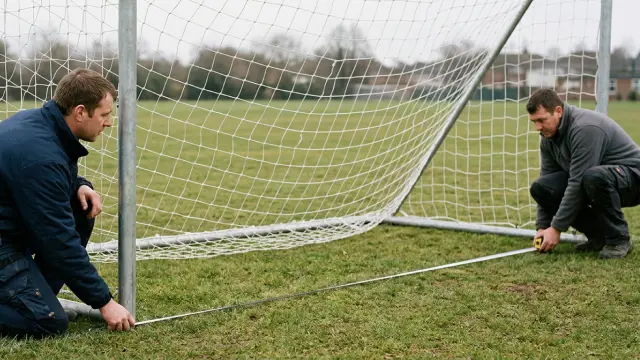
How Do You Replace a Football Net and What Size Do You Need?
To replace a football net, confirm the goal’s internal width and height, depth at the top and base, frame profile and fixing method before ordering. Choose a net sold for that goal size, remove damaged fixings and attach the replacement evenly without sharp hooks. Inspect the completed goal, re-anchor it and check that loose netting cannot create a trip hazard.
Gareth Pashley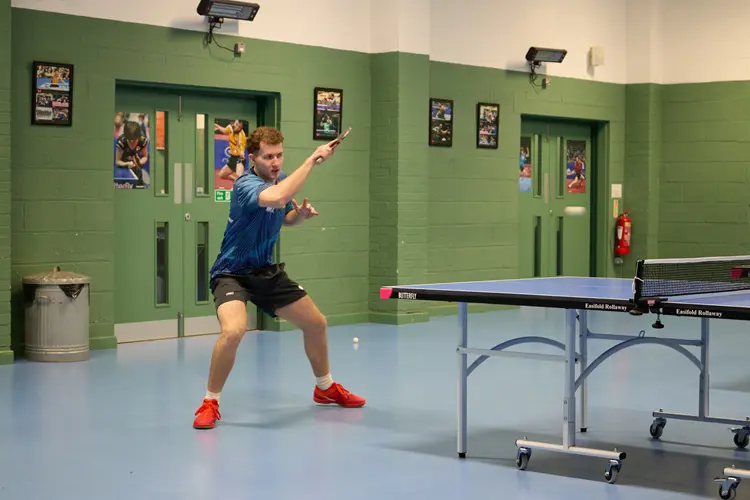
Table Tennis Rules Explained
Table tennis is one of the most inclusive and accessible sports that can be taught in schools. It requires minimal space, promotes physical activity, develops hand-eye coordination, and can be enjoyed by pupils of all abilities. The good news for PE teachers is that the basic rules are straightforward and can be taught within a single lesson.
Gareth Pashley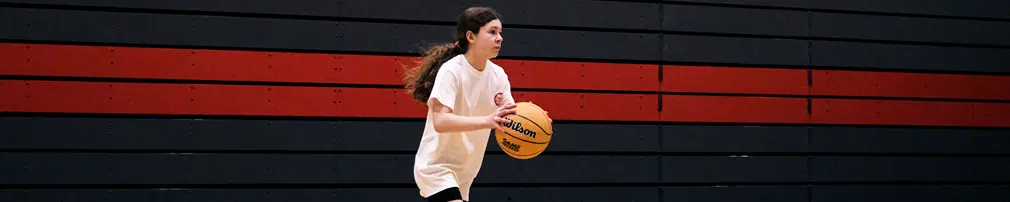
Basketball Rules Explained
Basketball is one of the most popular team sports taught in schools, combining physical activity, teamwork, communication and skill development. Whether you're introducing the game to younger pupils in Key Stage 2 or delivering more structured lessons in Secondary PE, understanding the basic rules helps create engaging, safe and enjoyable sessions.
Gareth Pashley
Understanding the correct football sizing for different age groups
Choosing the correct sized football equipment helps create a safe, supportive environment for players to learn and develop.

The Rules of Squash
Learn the basic rules of squash and how to incorporate squash into the PE curriculum.
Gareth Pashley
What are the rules for Basketball?
Discover the complete rules of basketball by viewing our blog post here.
Gareth Pashley
What is Pickleball?
Pickleball is one of the fastest growing sports in UK, with now over 40,000 people taking up the sport. Check out our blog detailing the sport here.
Gareth Pashley
Indoor Workouts for Remote Employees
4 fun, indoor workouts that you can try whilst working from home.
Gareth Pashley