
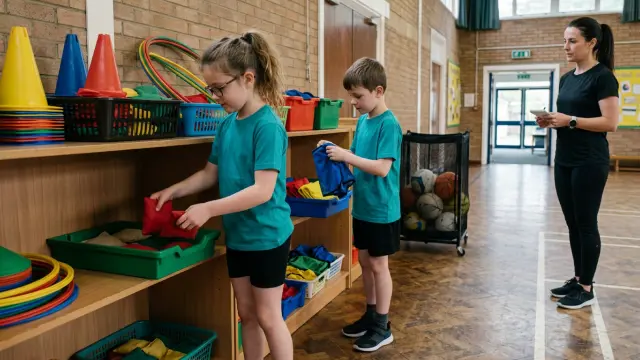
What PE Storage Solutions Does a Primary School Need for Equipment?
Primary schools need PE storage that separates equipment by activity, keeps heavy items at a safe handling height, secures high-risk resources and lets staff inspect stock without emptying the whole store. Combine labelled shelving, ball storage, mobile trolleys, wall-mounted racks and secure cupboards according to the room, class routines and manufacturer instructions. Keep access routes and fire exits clear.
Adelle Whitfield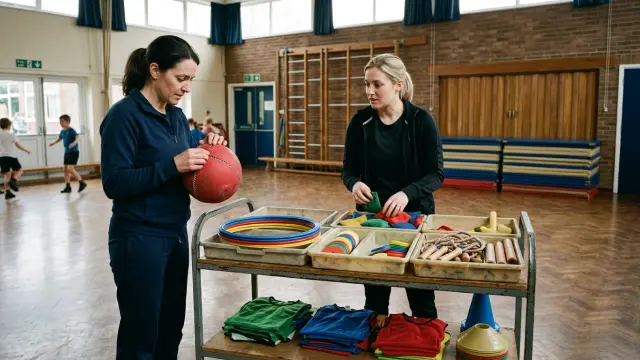
What PE Equipment Does a Primary School Need for the KS1 and KS2 National Curriculum?
A primary PE equipment list should support the full curriculum rather than one favourite sport. Schools need resources for fundamental movement, games, gymnastics, dance, athletics, outdoor and adventurous activity, and swimming where applicable. Build quantities around a class of 30, inclusive participation, available spaces and storage. Audit existing resources before buying duplicates or filling genuine curriculum gaps.
Jack Clarke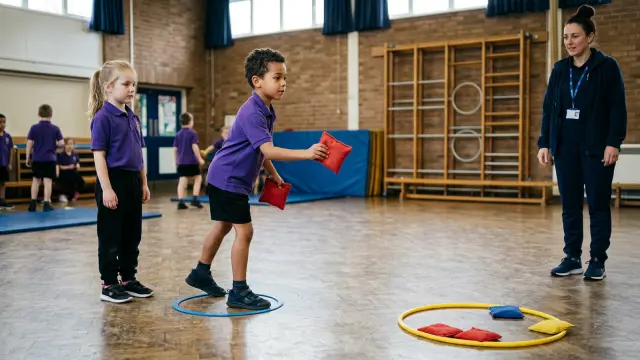
How Many Bean Bags Does a Primary School Class of 30 Need for PE?
For a class of 30, provide 30 bean bags when pupils need one each for throwing, catching, balancing or movement tasks. Fifteen may be enough for paired activities, while six to ten can support small-group stations. A mixed set of colours and suitable sizes makes grouping easier, but condition, visibility and safe retrieval matter as much as quantity.
Carla Bonner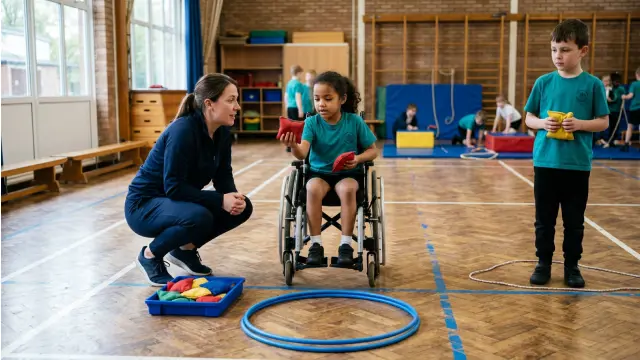
How Do You Spend the Primary School PE and Sport Premium on PE Equipment?
Schools can use the Primary PE and Sport Premium for equipment only when the purchase contributes to additional and sustainable improvements in PE and sport for all primary-aged pupils. Start with an identified need, connect the resource to staff development or a lasting programme, record its intended impact and follow the current grant conditions and reporting requirements before committing funds.
Christine Wheatcroft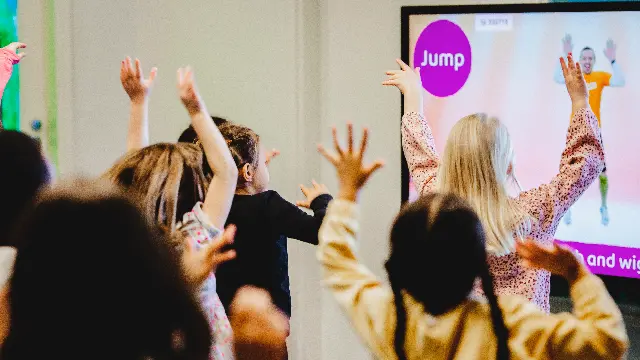
How schools can audit physical activity throughout the school day
A whole-school physical activity audit helps leaders understand how and when pupils have opportunities to move.
Imogen Buxton-Pickles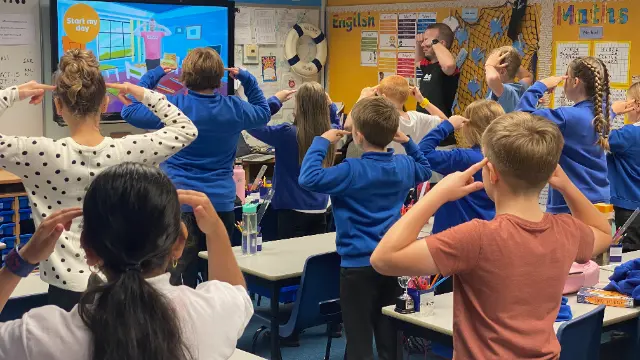
How can schools encourage physical activity beyond the timetable
Before and after-school activities can help more pupils become active when provision extends beyond traditional team sports.
Imogen Buxton-Pickles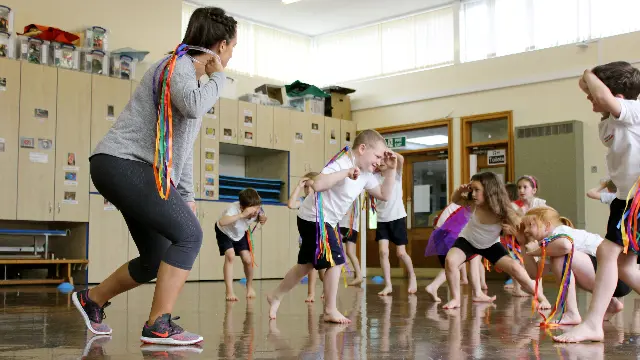
What does high quality PE look like in an active school?
High-quality PE gives pupils regular opportunities to move, practice skills and make decisions.
Imogen Buxton-Pickles
How teachers can make movement a part of learning
Teachers, discover how to make lessons more active by using short movement breaks and activities that help pupils respond, remember, communicate or refocus.
Imogen Buxton-Pickles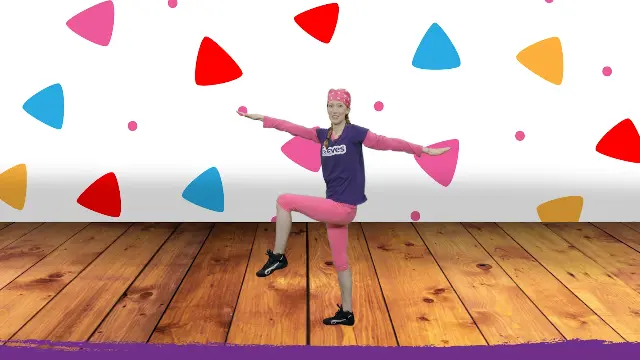
How can school leaders build an Active School?
When an active school builds movement into lessons, breaktimes, PE, enrichment becomes part of the wider school culture.
Imogen Buxton-Pickles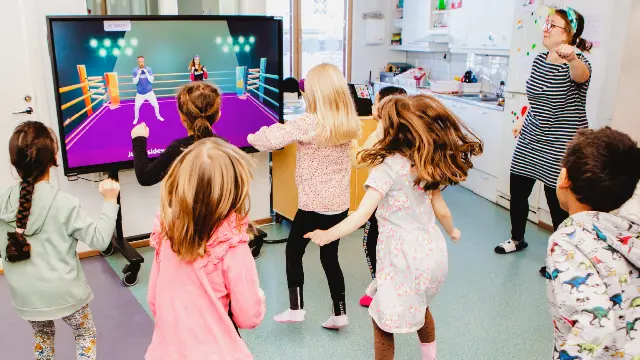
How can schools make breaktimes more active
How can schools encourage greater physical activity at breaktimes and lunchtimes by providing different ways for pupils to move.
Imogen Buxton-Pickles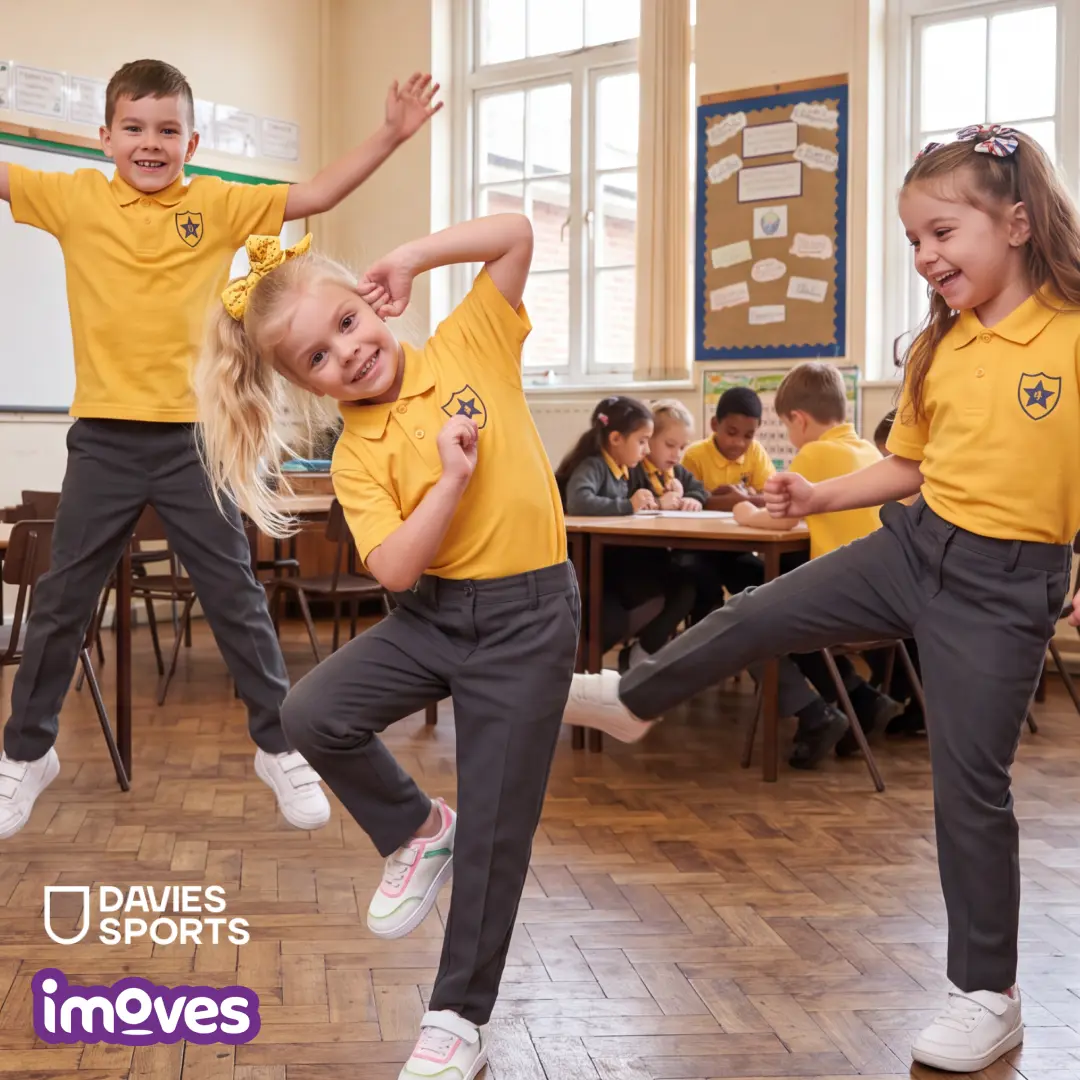
Keep your classes active this autumn without waiting for a PE lesson
Establising a routine for children when they return to school for the autumn term is essential to help settle the class and create a productive environment. Discover why Davies Sports is supporting the imoves initiative Active Autumn to help boost concentration levels and daily movement, without having to wait for a PE lesson.
Imogen Buxton-Pickles
UK Government Announces New PE and Sport Premium Funding Structure for English Primary Schools
UK schools will move from direct PE funding to a new partnership-led model, focusing on curriculum quality, inclusion, and accountability, backed by £1bn investment through to 2027.